In-depth guides on income tax, retirement planning, mortgage strategies, and smart investing — covering the US, UK, Australia, Canada, India, Singapore, and more. Updated for 2026.
California's signed AB 1847 lifts LA wildfire mortgage forbearance to 24 months total from January 2027. Earlier pauses count; calculate what may remain and what you still owe.
Louisiana START 529 and K12 accounts move to Ascensus on October 5. The Board's webpage and its guide disagree on the old-platform cutoff; here is what to check.
HMRC says a January 2027 PAYE code change for two £200 Winter Fuel awards can add roughly £30 to £33 in monthly tax. Its April two-award example uses the same range for combined recovery.
ASIC's Report 837 (29 July 2026) found eight banks, covering 70% of Australia's $2.5 trillion home loan market, failed to set up and link mortgage offset accounts properly. Banks paid over $55 million in compensation between September 2023 and August 2025, and more is coming. Here is how to check your offset is working and how to claim if it was not.
The $425 million Capital One 360 Savings settlement won final approval on April 20, 2026, then a single objector's appeal on June 18, 2026 froze all payments, potentially for over a year. No claim form exists; payment is automatic. Here is who is in the class, how each check is calculated, and what the math realistically brackets to.
An August 2026 federal microsimulation projects 238,000 households lose Wohngeld eligibility outright by the draft reform’s full effect in 2029. Another 143,000 may switch to SGB II or XII; about one million remain on lower Wohngeld. The law is still proposed.
The IRS raised the 401(k) employee deferral limit to $24,500 for 2026, with an $8,000 catch-up for 50+ and a $11,250 super catch-up for ages 60-63. Here's how to maximize every dollar, avoid the new Roth catch-up trap, and hit the $72,000 total limit.
The CBDT officially notified the 50% HRA exemption under Income-tax Rules, 2026 (Notification No. G.S.R. 198(E)) for 8 metro cities, adding Bengaluru, Pune, Hyderabad, and Ahmedabad. See the math, the Form 124 landlord relationship rule, and tax savings.
From the first full pay period on or after 1 July 2026, the adult National Minimum Wage is $26.44 an hour and award minimum rates generally rise 4.75%. Two new award floors mean some low and entry-level classifications need a larger adjustment. Check the actual award rate before estimating your pay.
From July 1, 2026, Australia's lowest marginal tax rate drops from 16% to 15% on income between $18,201 and $45,000, saving every taxpayer up to $268. Simultaneously, the $20,000 instant asset write-off becomes permanent for small businesses. Here's the combined math for salary earners and sole traders.
About 60% of Canadian mortgages renew by end of 2026, and 40% face higher payments. But if you do a straight switch — same balance, same amortization, no new money — OSFI exempts you from the stress test entirely. Here's exactly how to qualify and what kills your exemption.
The Altersvorsorgedepot can be offered from January 2027 with up to €540 basic subsidy. The 1% effective-cost ceiling applies to the Standarddepot, and child aid depends on your own deposits.
The IRS published August 2026 Applicable Federal Rates in Revenue Ruling 2026-13: 4.10% short-term, 4.35% mid-term, and 4.92% long-term. Charge your family loan below these rates and the IRS imputes interest you never collected — and taxes you on it. Here's the math.
The IRS bumped the business mileage rate to 76 cents per mile effective July 1, 2026, up from 72.5 cents in the first half. Here's how to split your deduction correctly and avoid an audit flag.
The FMA took over consumer credit regulation on 1 July 2026, including relevant misleading conduct. For a personal refund or compensation, complain to your lender and its free dispute scheme; report systemic misconduct to the FMA.
The RBI 8 AM–7 PM call window (active since August 2022) and the upcoming 2026 consolidated recovery framework mandate IIBF certification and call recordings. Here is what counts as harassment and how to file an Ombudsman complaint.
The RBI issued final directions on June 15, 2026 banning forced insurance bundling, dark patterns, and mis-selling by banks and NBFCs. Effective January 1, 2027, customers get a 100% refund if mis-selling is proven. Here's what qualifies, how to file a complaint, and the compensation math.
The SAVE plan ended, but there is no single September 2026 switch deadline. A servicer’s dated notice starts each borrower’s 90-day choice period; RAP, IBR and fixed plans have different eligibility and interest treatment.
Singapore's statutory retirement age rises from 63 to 64 and re-employment age from 68 to 69 on July 1, 2026. Here's how the extra year affects your CPF LIFE payouts, the 4% interest compounding window, and your re-employment rights under the RRA.
Switzerland pays its first-ever 13th AHV pension in December 2026, an extra month's payment for every retiree. Here's how to estimate yours, how the married-couple cap works, and the tax catch.
Exhaustive guide to Australia's subclass 417 and 462 Working Holiday Maker (WHM) tax rules for 2026-27. Compare registered vs unregistered employer withholding, calculate Medicare exemptions, and estimate your DASP super refund.
Full guide to German health insurance in retirement for self-employed freelancers. Compare GKV/KVdR compulsory status against private PKV, and master the 9/10 rule.
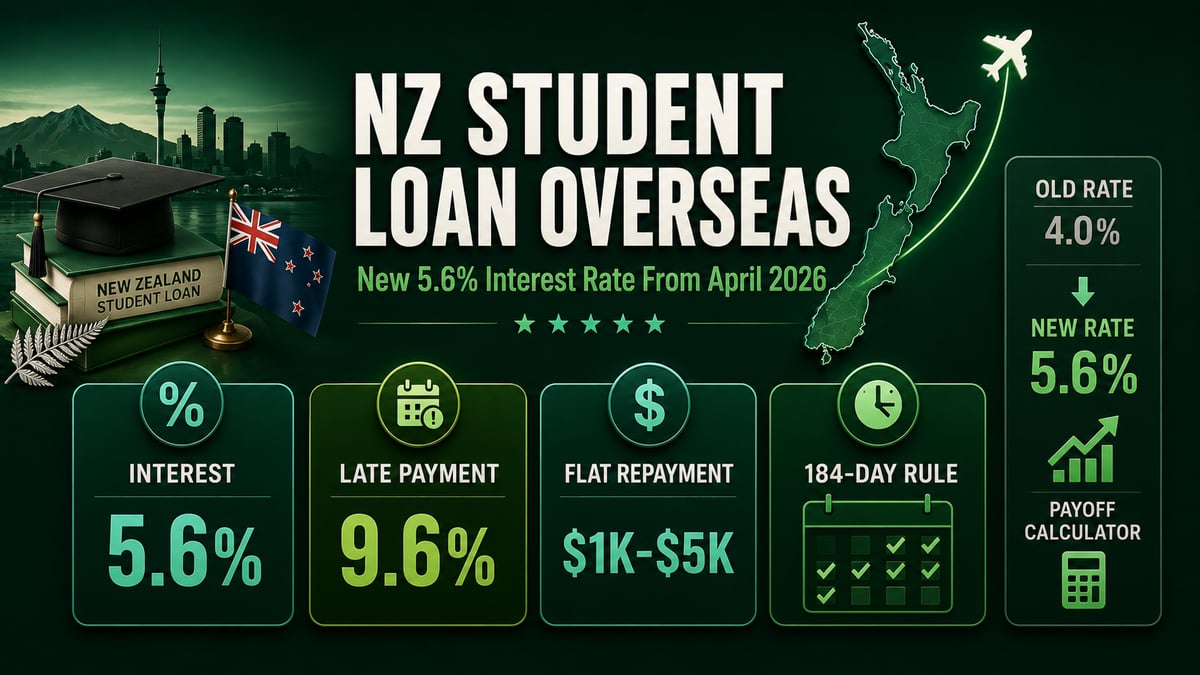
Complete guide to New Zealand student loan obligations when moving overseas in 2026. Learn about the 184-day rule, the 5.6% compounding interest rate, balance-based repayment brackets, and late payment interest fees.
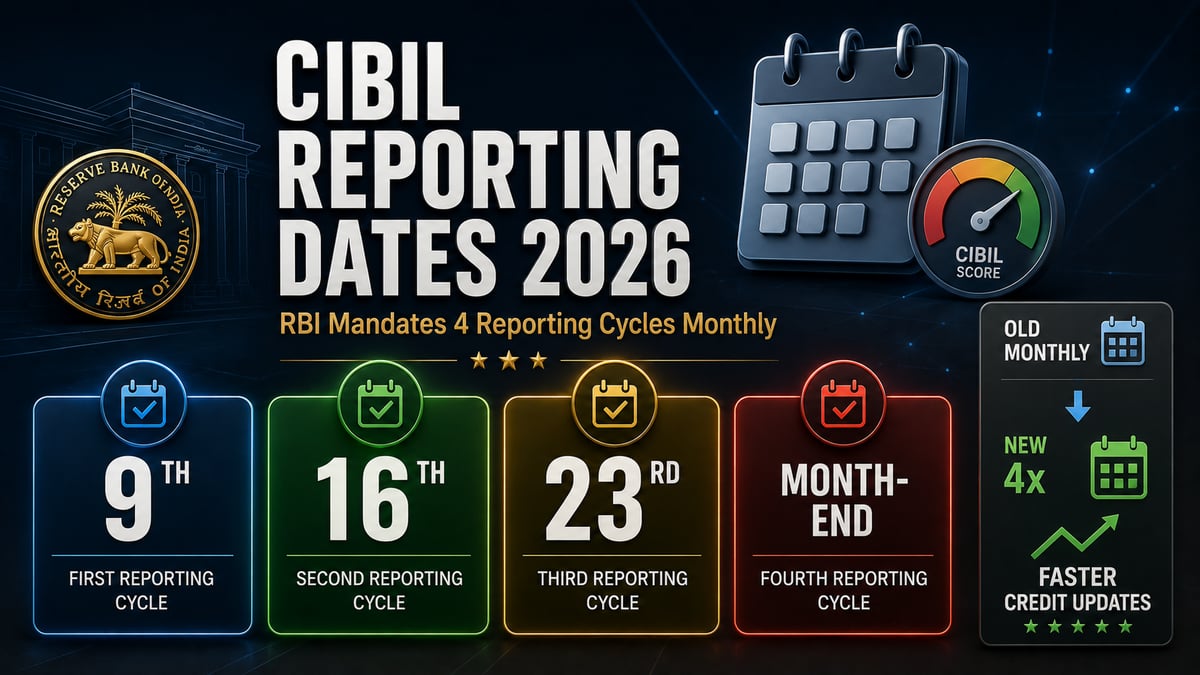
Complete guide to the RBI's new weekly credit bureau reporting rule (RBI/DOR/2025-26/119) effective July 1, 2026. Learn how banks report data on the 9th, 16th, 23rd, and month-end, and when updates reflect on CIBIL.
Budget 2026 slashed TCS on education and medical remittances from 5% to 2%, and flattened tour packages to a simple 2%. Our complete guide covers all new rates, thresholds, exemptions for education loans, and how to claim TCS credit in your ITR.
The VA Partial Claim Program (opened June 15, 2026) lets the VA advance up to 25% of your unpaid principal balance (30% for COVID-era arrears) as a 0% interest subordinate lien to cure delinquent VA-backed mortgage arrears. No monthly payment required — repaid only at sale or refinance. Must complete a 3-month trial payment plan first.
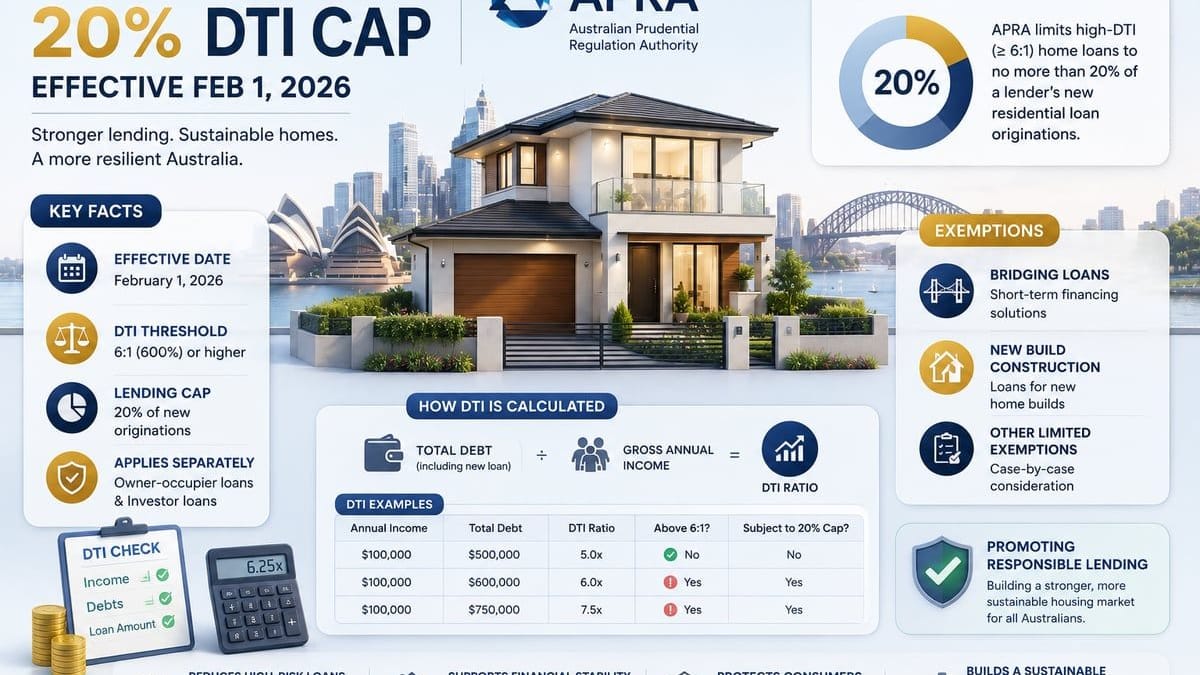
APRA's 20% DTI cap effective 1 February 2026 limits high-risk loans above 6x income. Understand how it affects your borrowing capacity, exemptions for new builds, and strategies for property investors navigating the new lending environment.
NS&I raised the Premium Bonds prize fund rate to 4.35% and shortened per-bond monthly odds to 21,000:1 for September 2026. The rate is a fund-wide average, not interest promised to your account.
FCA cryptoasset applications open on 30 September 2026, while the new FSMA permissions start on 25 October 2027. MLR registration and promotion rules still matter now, and crypto holdings are not FSCS protected.
MAS issued GX26080T in August 2026 with a 2.06% ten-year effective annual return. Applications closed in July. Its coupon record remains useful for current holders, but new savers must check a current issue.
Australia enacted the 2026–27 work-expense standard deduction in June 2026. It tops qualifying labour-income deductions up to $1,000 instead of forcing an either/or choice; actual claims and some excluded items need separate records.
The IRS has officially launched the Automatic Exemption from Penalty (AEP) program as of July 8, 2026. Discover how this new systemic waiver automatically removes late filing and payment penalties for eligible taxpayers without filing Form 843, how to qualify with a clean 3-year compliance record, and how to verify your savings.
The UK Financial Conduct Authority (FCA) is officially regulating interest-free Buy Now, Pay Later schemes as Deferred Payment Credit (DPC) effective July 15, 2026. Learn about your new consumer rights, mandatory affordability checks, late fee caps, and Financial Ombudsman Service (FOS) dispute access.
For AY 2026–27, the 31 July original deadline applied to ITR-1/2 cases and 31 August to non-audit business and trusts. Both have passed by September; a belated return may be possible by 31 December, with fees and interest assessed on actual facts.
The July 10, 2026 protective-claim date has passed for many Kwong scenarios, but a later payment can give a different two-year filing window. The litigation remains uncertain; IRS has a specific online Form 843 route for eligible individuals and a paper route for others.
Ontario's ONHAP covers federal HST left after any federal housing rebate, including for eligible repeat buyers. See the ENHR and GST math without counting the same 5% twice.
National promises compulsory KiwiSaver from July 2028 if re-elected. The separate 3.5% default today and 4% rate from April 2028 are already law. See a $75,000 payslip example with the correct ESCT.
From January 2026, Germany's new Aktivrente (Active Pension) lets working retirees earn up to €2,000 a month — €24,000 a year — completely tax-free. Here's how the rule works and who benefits.
From 2028, the Netherlands plans to tax your actual Box 3 returns — including unrealised gains — instead of a fictional yield. Here's what vermogensaanwasbelasting and the new tax-free result threshold mean for savers and investors.
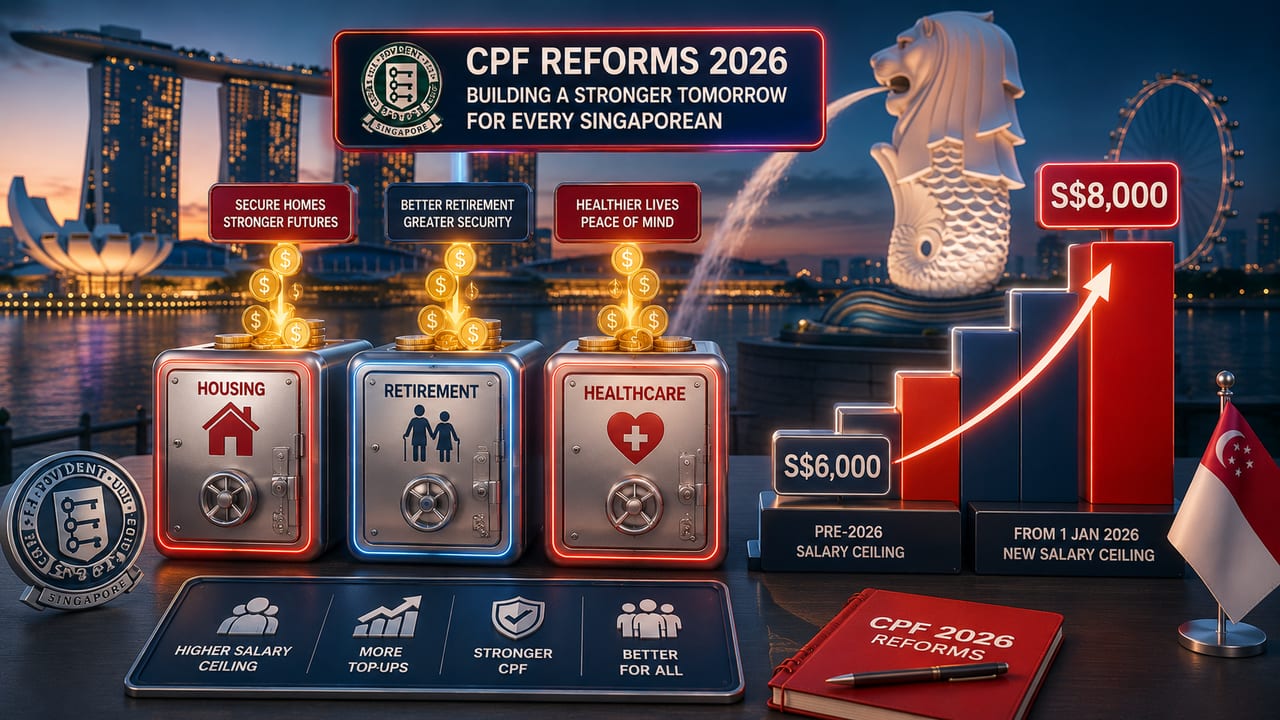
Singapore's CPF salary ceiling makes its final jump to S$8,000 in 2026, alongside S$1,500 senior-worker top-ups, 2027 rate hikes, and a 2028 lifecycle investment scheme. Here's what each change means for your take-home and savings.
Germany’s child-pension bill proposes €10 a month from a targeted 2027 launch. Children born in 2020 or 2021 would be first; the bill still needs legislation, and state-funded money is generally locked until 65.
Struggling to choose between the National Pension System (NPS) and the new Unified Pension Scheme (UPS)? Read our detailed guide on the guaranteed pension rules, the September/November 2025 switch window, monthly calculations, and lump sum comparisons.
Four brand-new temporary federal deductions arrive under the One Big Beautiful Bill Act (OBBBA) for 2026: No Tax on Tips, No Tax on Overtime, the $6,000 Senior Deduction, and the Auto Loan Interest Deduction. Here's who qualifies for each.
Switzerland's 2026 rules finally let you backfill missed Pillar 3a years — closing prior contribution gaps and unlocking substantial tax deductions. Here's who qualifies and how the retroactive buyback works.
Made UK regulations cap Cash ISA subscriptions at £12,000 for savers 64 or under at the end of 2027-28, while 65+ retain £20,000. The 22% charge applies to interest on cash held in non-cash ISAs from April 2027.
From July 1, 2026, employers must pay your super within 7 days of payday — not quarterly. Here's what the Payday Super reform, Qualifying Earnings, and faster compounding mean for your retirement nest egg.
August 2026 CPI-U was 3.4% above August 2025. A hypothetical $10,000 account at 4% APY kept a small pre-tax gain in buying power, but a 22% assumed tax on its $400 interest reversed the result.
The usual three-to-six-month rule is a starting range. Build a liquid reserve from essential bills, income risk and an explicit refill plan after a real expense.
India’s ₹5 lakh deposit cover includes principal and interest across all branches of one bank in the same ownership capacity. See a reproducible split-bank example and claim path.
Term life covers a defined period; whole life can provide lifelong coverage and cash value. Compare matched death benefits, premiums, guarantees, surrender values and the time you actually need coverage before deciding.
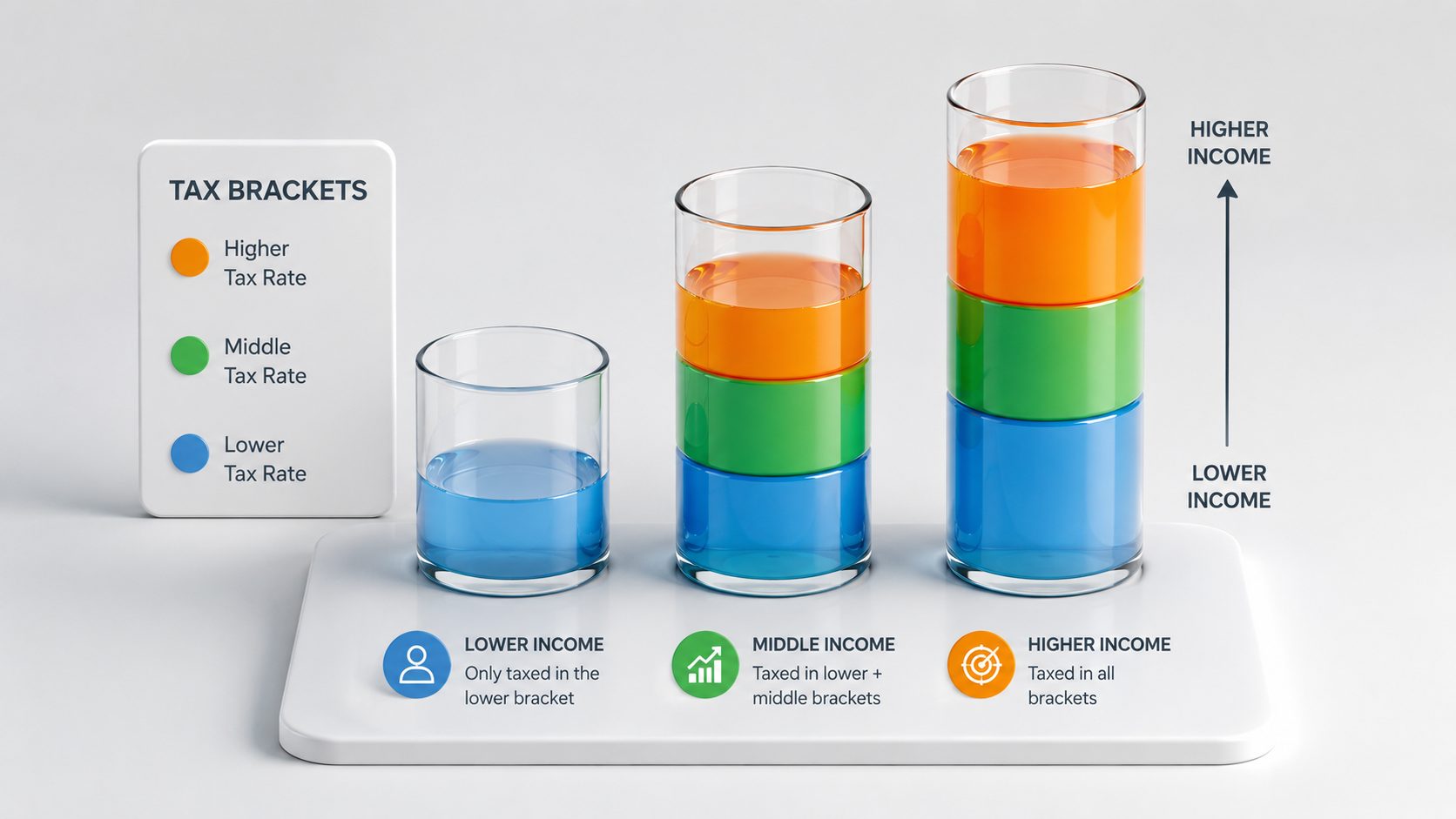
At ₹15 lakh ordinary salary, an old-regime salaried taxpayer needs about ₹5,43,750 of qualifying non-standard deductions and exemptions to match a ₹97,500 new-regime bill under stated assumptions. Work through the exact tax bands and the new 2025 Act labels.
An annual deferral can hit the IRS limit yet miss part of an employer match if the plan calculates match per paycheck and has no true-up. Reproduce the timing math.
The same $7,500 deposited in a Traditional and Roth IRA is not an equal-cost comparison. Start with one pretax budget, then check the 2026 income and withdrawal rules.
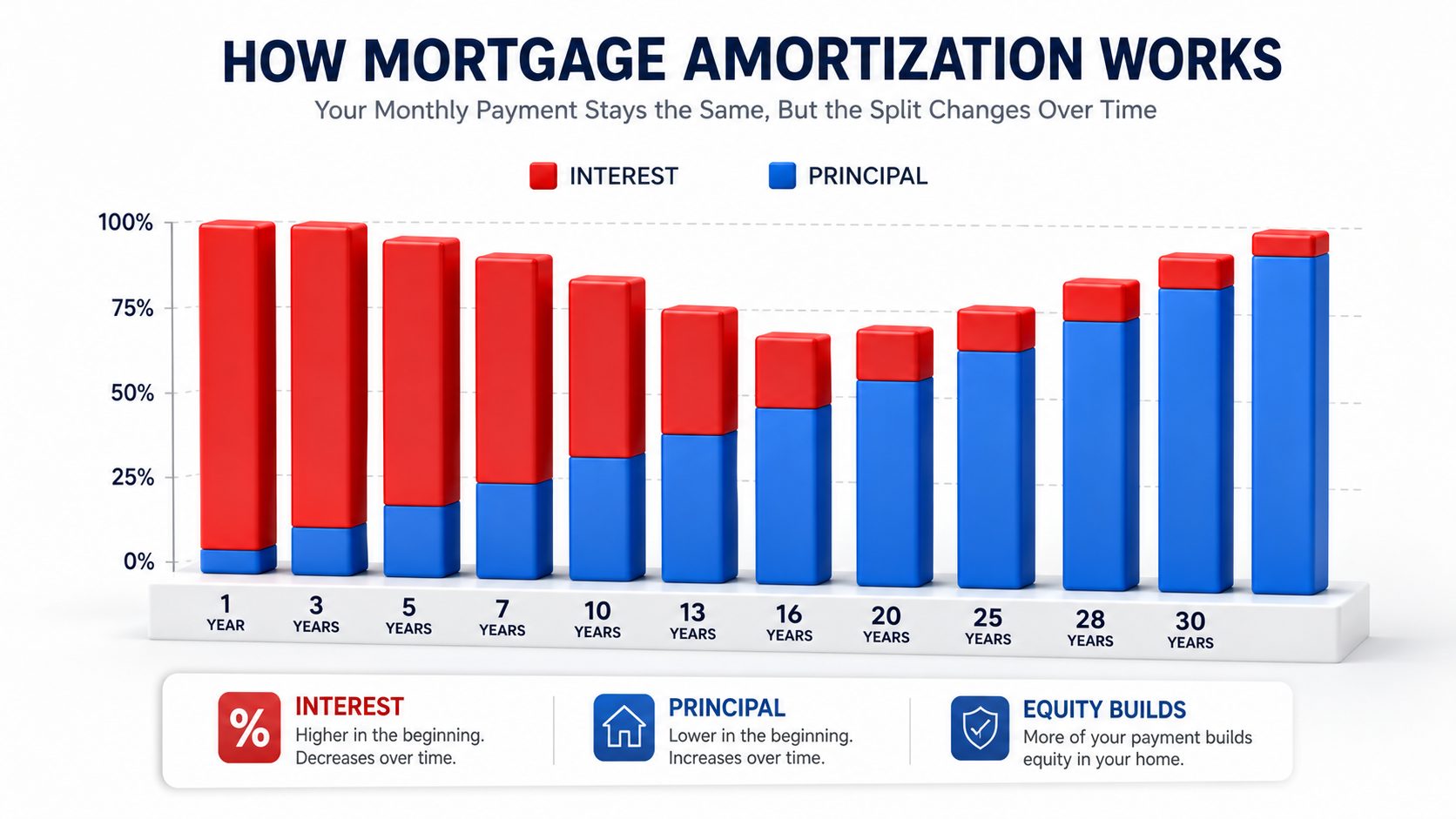
A lower mortgage payment can hide a longer payoff. Reproduce a same-balance refinance case, compare closing costs, and inspect the remaining balance at your exit date.
A homeowner in the top Box 1 bracket pays 49.5% marginal tax, but qualifying 2026 mortgage-interest relief is limited to 37.56%. Add the eigenwoningforfait and check the loan’s age before estimating a tax saving.
The three-pillar system still combines AHV, occupational pensions and voluntary 3a/3b savings. The specific 2026 opportunity is a first 3a buyback for an eligible 2025 shortfall, after the full 2026 ordinary payment.
Existing Riester contracts survive the 2027 pension reform. A parent earning €40,000 with two post-2007 children may need €825 of own 2026 contributions for full old-rule allowances; from 2027, a subsidy-only switch or new depot has different fees and arithmetic.
KiwiSaver’s 3.5% default began in April 2026, and eligible members receive 25 cents per dollar from the government up to $260.72. A corrected $80,000 salary example shows the 30% ESCT effect.
For Tax Year 2026–27, the familiar Section 80C savings deduction appears as Section 123 and Schedule XV under the Income-tax Act, 2025. The ₹1.5 lakh combined pool can already be filled by employee EPF, home-loan principal and eligible tuition.
CPFIS cannot invest the first S$20,000 of OA or S$40,000 of SA. A S$30,000 OA balance leaves at most S$10,000 for CPFIS-OA; compare the forgone 2.5% CPF interest with fees and investment risk.
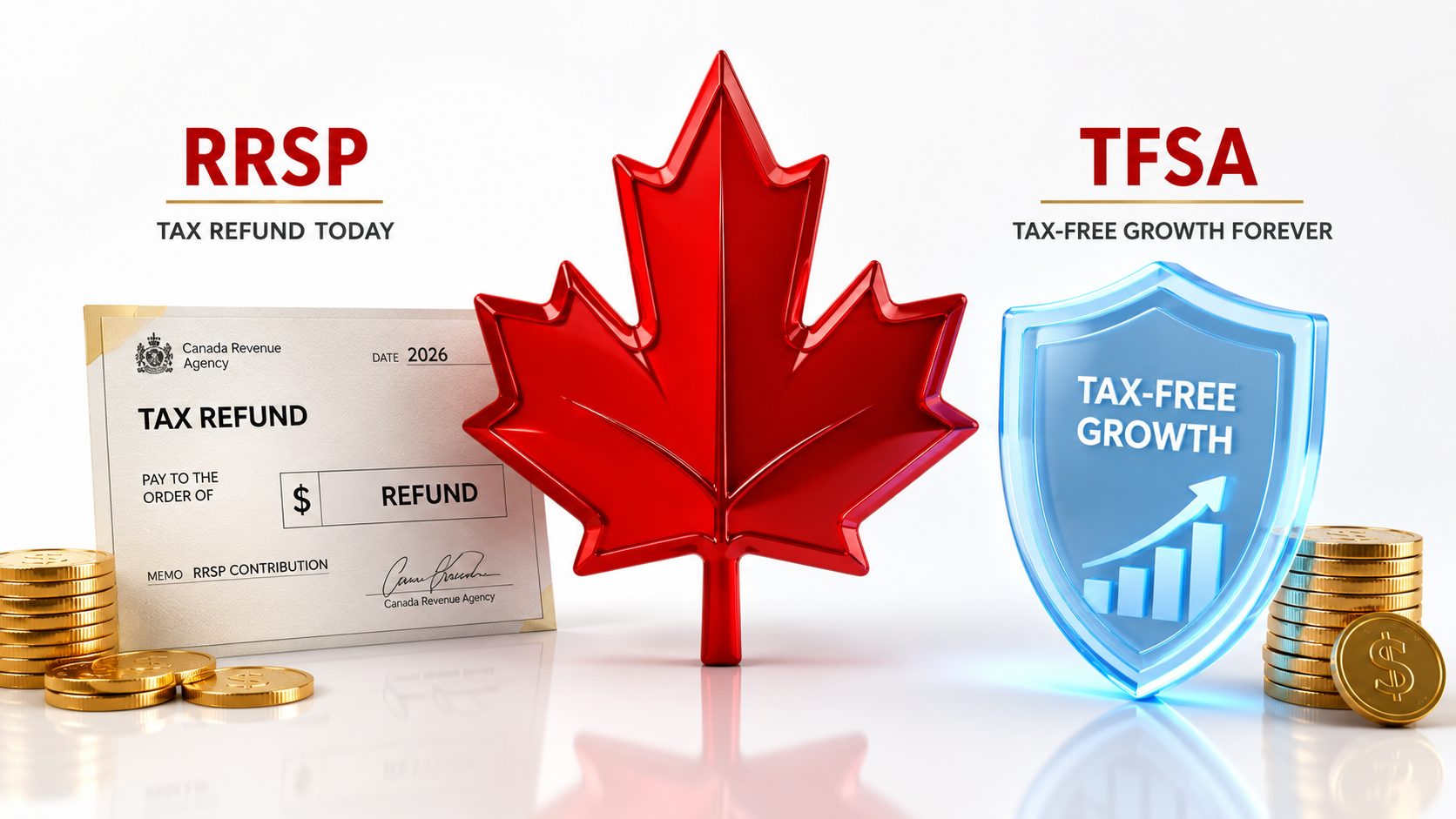
Canada’s published 2026 RRSP dollar ceiling is $33,810, but personal room can be much smaller after income and pension adjustments. A TFSA withdrawal comes back as room next January, so a same-year redeposit can trigger a 1% monthly tax.
A 12% employer super contribution uses part of the $32,500 concessional cap before salary sacrifice. Payday Super changes when the money must reach your fund; work through the room with a reproducible $100,000-pay example.
Welcome to the FinanceLives Personal Finance Publication. In an era of generic financial advice and auto-generated lists, we believe that personal finance is inherently local. A tax reform, a pension cap increase, or a mortgage stress-test change in one country is completely distinct from the rules of another.
Our editorial mission is to dissect complex, primary-source regulatory documents (such as IRS bulletins, HMRC guidelines, and ATO rulings) and translate them into clear, actionable, mathematical calculations. Every article is designed to accompany our localized simulator suite, helping you model real-world scenarios.
Our Core Commitments:
Primary-Source Authority: We cite and link directly to official government bodies and tax regulators for all regulatory thresholds.
Continuous Updates: Our articles are reviewed and refreshed dynamically following autumn budgets, spring statements, and tax-year rollovers.
Zero Bias: We are fully independent and do not receive commissions to recommend specific financial products or investments.


 United States


 United Kingdom

 Australia


 Germany


 India



 Canada




 New Zealand




 Singapore

 Switzerland

 Netherlands