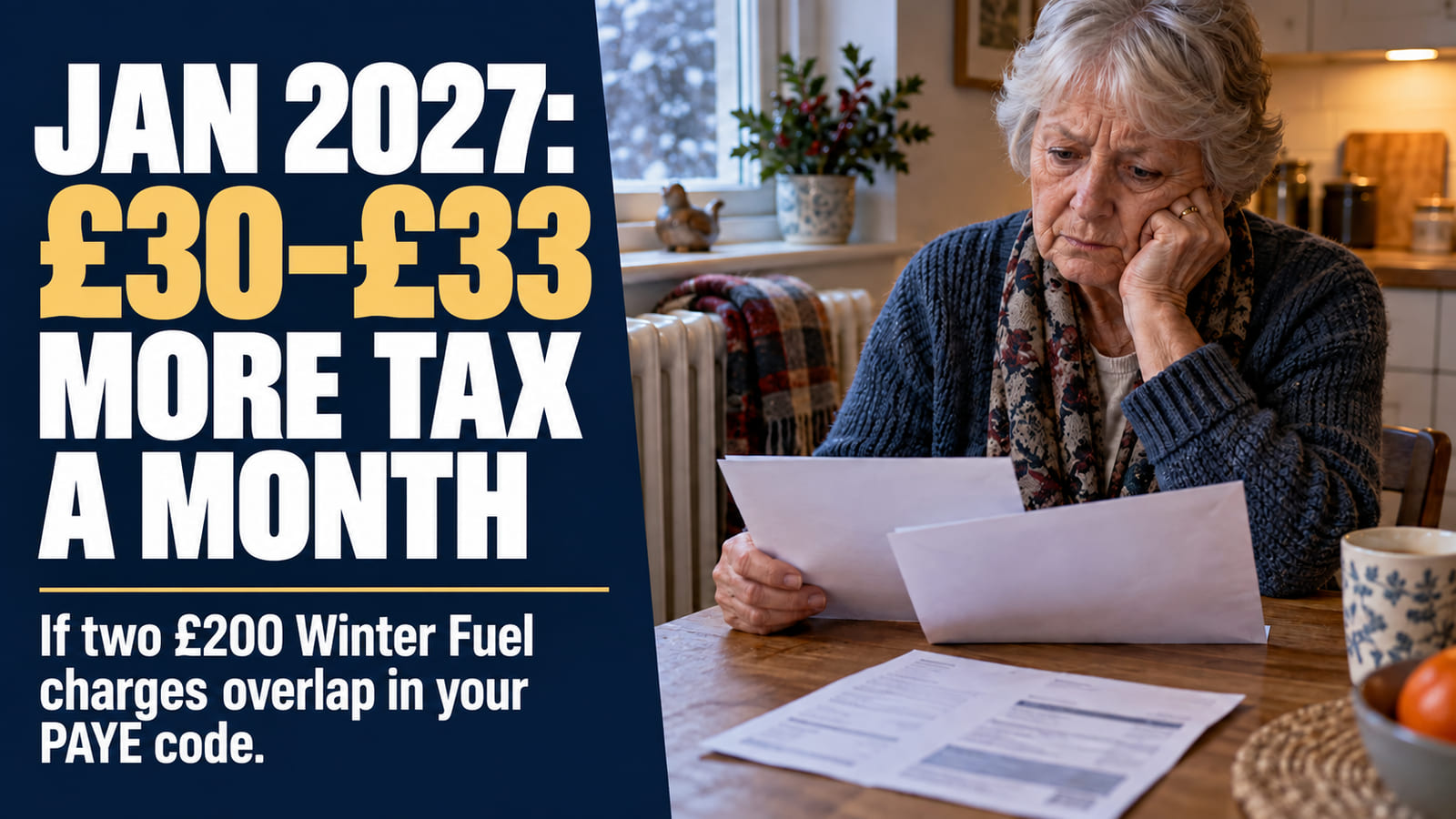
Why two winters may appear on one tax code
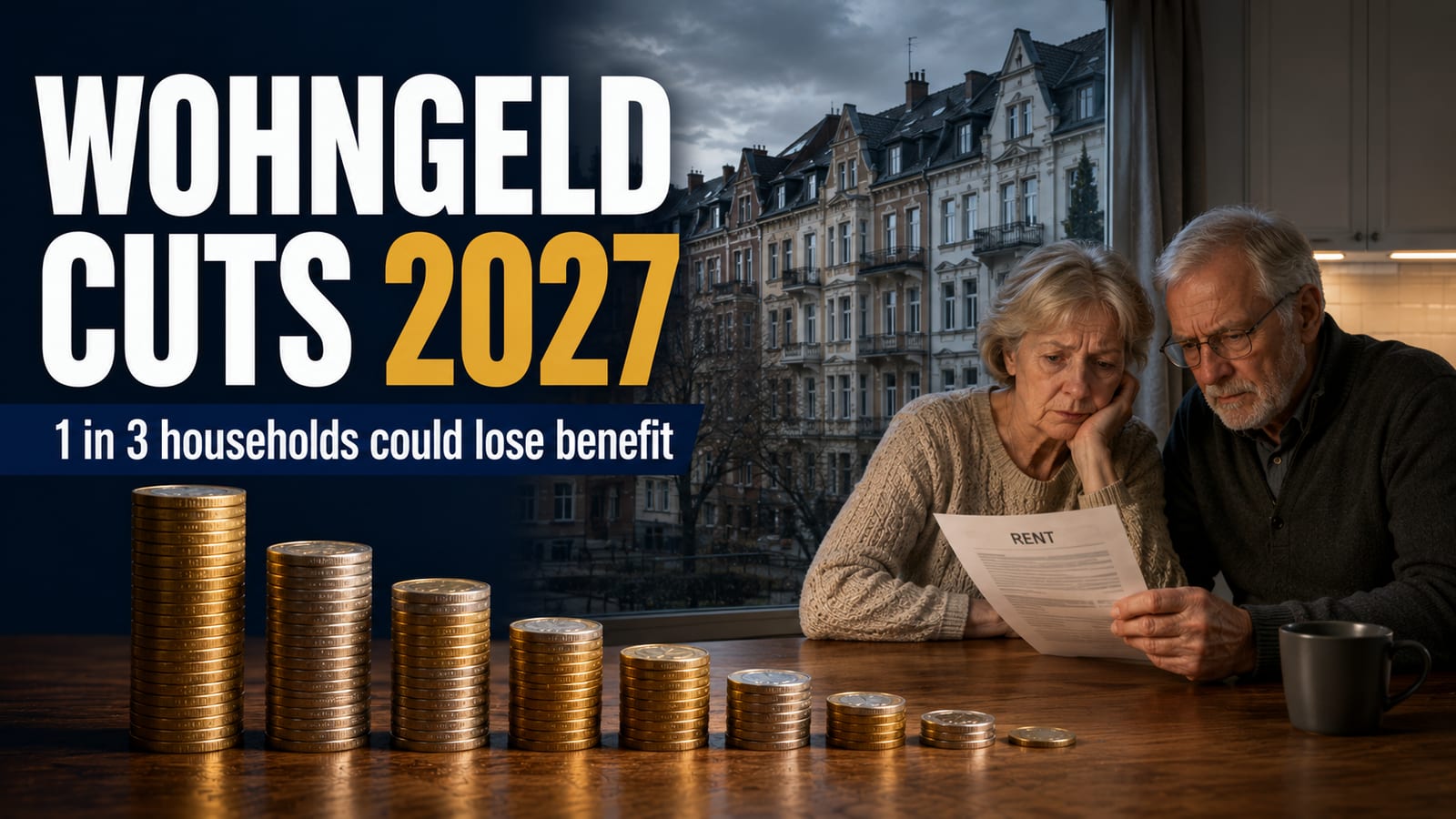
Two £200 Winter Fuel Payments can be collected through the same PAYE tax code from January 2027. HMRC’s January consumer example says adding the second charge could mean roughly £30 to £33 more tax each month than before the code change. Its separate April example puts combined recovery of two later awards at roughly £30 to £33 a month. The payment you received in winter 2025/26 and the one due in winter 2026/27 are separate awards; the surprise is that their collection periods can cross.
HMRC changed the expected timetable in September 2026. Some pensioners may see the newer charge added from January 2027, three months earlier than the April date HMRC had previously described. Another tax-code change can follow in April 2027, when HMRC plans to begin collecting that year's winter payment in advance. If you budget from the amount arriving in your pension account, the dates matter as much as the annual charge.
This affects people whose individual total income exceeds £35,000, who receive a winter payment and whose charge HMRC collects through PAYE. The rule also covers Scotland's Pension Age Winter Heating Payment, although its award amounts differ. People who file Self Assessment settle the charge through their return instead. The PAYE manual updated on 17 September sets out the income test and the collection routes.
Three tax-code checkpoints between now and April 2027
The year printed on a payment tells you when you received it. It does not necessarily tell you the tax year in which HMRC will collect its charge. For a PAYE pensioner whose income exceeds the threshold in each relevant year, the current timetable looks like this:
| When you inspect the code | Winter payment years that may be included | What changed |
|---|---|---|
| Before January 2027 | 2025/26 | HMRC has been recovering the earlier payment through the 2026/27 code. |
| From January to March 2027 | 2025/26 and possibly 2026/27 | HMRC says it may start collecting part of the newer charge before April. |
| From April 2027 | 2026/27 and, if you receive it, 2027/28 | HMRC says it will begin same-year collection in advance; the earlier 2025/26 charge normally leaves the schedule. |
Winter award years in the illustrative PAYE schedule
The middle row is deliberately conditional. HMRC says customers might see two amounts in their code from January; it has not promised one change date for every pensioner. A code can also contain adjustments for your State Pension, other income or earlier tax. An increase in tax deducted from a payslip therefore needs checking against the code notice, not a guess based on the headline amount.
April brings a different pairing. The 2025/26 payment should already have been recovered through the 2026/27 year in the ordinary case. The tax year beginning April 2027 is where HMRC intends to collect the 2026/27 charge and the 2027/28 charge together if the person receives both payments and has not opted out of the later one. The Association of Taxation Technicians' September briefing confirms the transitional timing.
Elaine's £200 payments show the cash-flow pinch
Elaine is 76, lives alone and has £36,200 of total income before her Personal Allowance. Assume she received £200 in winter 2025/26 and will receive £200 again in winter 2026/27. She pays tax through PAYE on her workplace pension, does not file a Self Assessment return and receives none of the benefits that exempt a winter payment from the charge. Under these stated assumptions, each £200 award creates its own £200 charge. The older award is not taxed a second time when the newer one enters her code.
One £200 charge spread evenly over 12 months is £16.67 per month. That arithmetic is a useful baseline, but a real tax code is not a standing order split into 12 equal payments. HMRC’s consumer guide says a January 2027 code change that adds the 2026 award while the 2025 award is being collected could mean about £30 to £33 more tax each month than before the change. Its Agent Update uses about £30 to £33 for a different measure: combined monthly recovery of two £200 awards from 2026/27 and 2027/28 over roughly 12 to 15 months. Neither example is an exact forecast of Elaine’s next payslip.
The same HMRC monthly range describes two different measures
If Elaine later receives a payment for winter 2027/28, her April 2027 code can move again because HMRC plans to collect in the same tax year as that payment. We do not yet know her future award amount or future income. She should check the notice HMRC sends rather than carry the £200 assumption into a year for which her circumstances may change.
The practical budget figure is the change in net pension pay, not the size of the tax-code suffix. Her gross pension can stay flat while the net deposit falls. If a January payment looks unexpectedly lower, she can compare the new code notice with the previous one and look for Winter Fuel Payment charges for two different years. The government's consumer guidance says HMRC will contact people when it changes a code to collect this charge.
Who sees the overlap, and who does not
The £35,000 test applies to each person, using total income for the tax year before the Personal Allowance is deducted. There is no gradual taper. HMRC's manual gives a £36,000-income example in which a £200 payment produces a full £200 charge. If Elaine's partner earned £50,000, that would not be added to Elaine's £36,200 for this test; the partner's own payment, if any, would be assessed separately.
Payment size is also individual. For winter 2026/27, the DWP amount table gives £200 to a qualifying person living alone who was born between 28 September 1946 and 27 June 1960, and £300 if born earlier. Shared households and care-home residents can receive different amounts. The £30-to-£33 illustration applies to two £200 awards. If your awards differ, that published range is not your estimate.
Someone receiving Pension Credit, Universal Credit, Income Support, income-based Jobseeker's Allowance or income-related Employment and Support Allowance during the qualifying week may be exempt from the charge even if the income figure looks high. HMRC lists these exemptions in its PAYE manual. The eligibility rules for getting the payment in the first place also matter. This article does not decide whether a person qualifies for an award; the DWP payment guide covers household and age cases.
If you file Self Assessment, the PAYE overlap described here is generally the wrong calendar for you. HMRC says the winter-payment charge belongs on the tax return for the year in which you received the award. Online returns may be prefilled, but you still need to check the entry. A paper return requires you to add it. If you use Making Tax Digital for Income Tax, HMRC says it will write after submission about how to pay; the charge cannot be settled through the compatible software submission.
What to check when the notice lands
Start with the tax-code notice, not the amount you remember from a news headline. Write down which winter award years HMRC lists and the amount against each. Then match those amounts to your DWP or Social Security Scotland award letters. HMRC's September update says no one should repay more winter payment than they received.
Next, compare your individual total income with £35,000 for the relevant tax year. Use the before-Personal-Allowance figure. Do not add a partner's income to yours. If you received an exempting benefit during the qualifying week, check that HMRC's record reflects it. If the code looks wrong after those checks, use the contact route on the notice or the official Winter Fuel Payment page. The ordinary PAYE collection happens automatically; a code change alone does not require a phone call.
Finally, set a temporary cash buffer if the deduction would make a tight month harder. HMRC’s January illustration is a £30-to-£33 increase in monthly tax, while its later April illustration describes £30-to-£33 combined monthly recovery. Your actual net-pay change depends on the code HMRC issues. If it cannot collect the full charge within the tax year, HMRC says it will send a tax calculation letter. Treat that letter as part of the same reconciliation, not a new Winter Fuel Payment charge.
This overlap is a timing problem across three winters. Read each code notice by award year, check the underlying payment amount, and keep the letters together until the 2027/28 code has settled. That gives you a way to challenge a real mismatch without mistaking two legitimate award-year charges for a duplicate bill.