What is an Emergency Fund and Why is It Your Financial Safety Net?
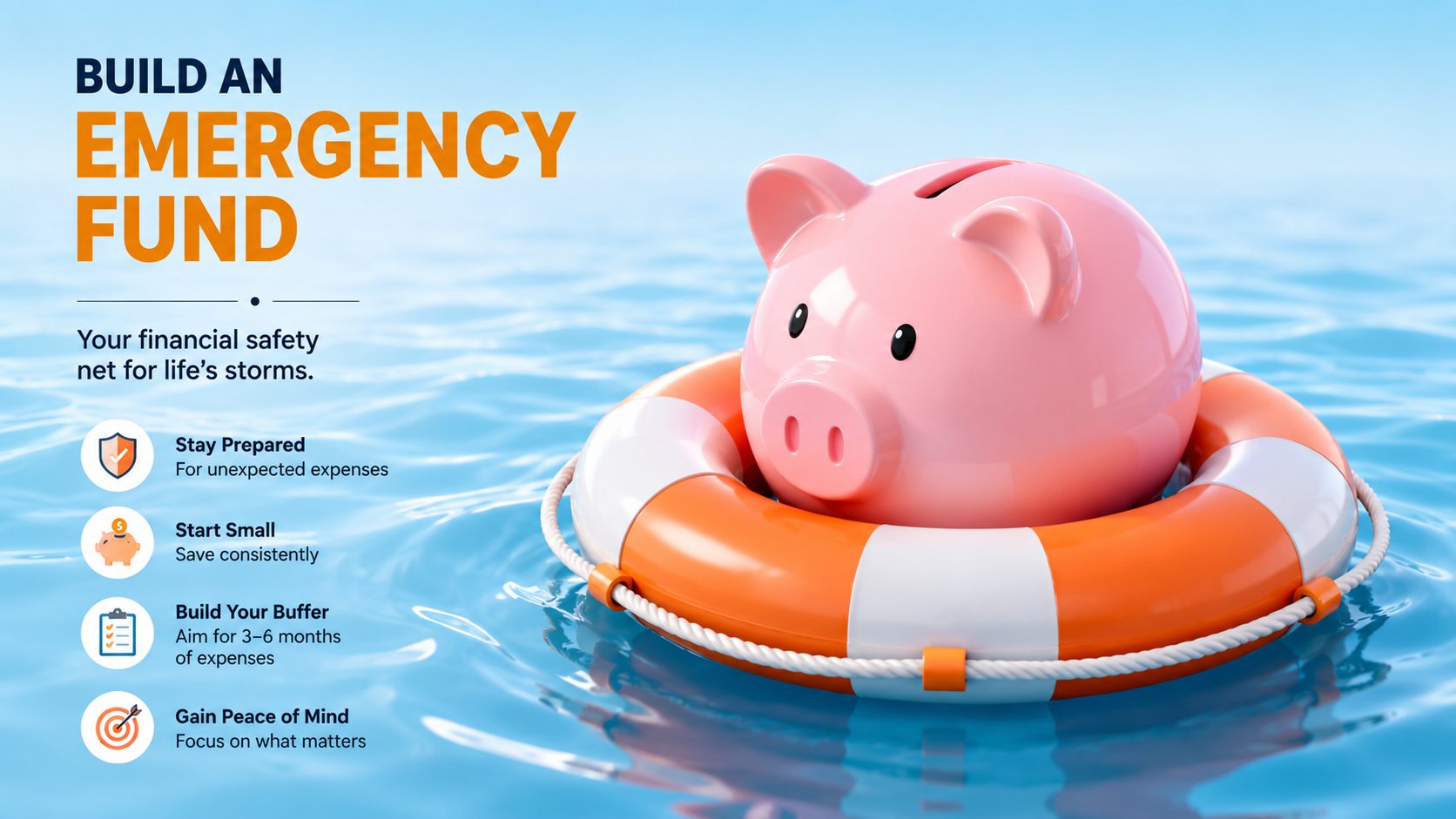
To build a bulletproof emergency fund in 2026, you must calculate your exact monthly essential expenses, decide on a target coverage period of 3 to 6 months (or more depending on your income stability), and house the cash in a secure High-Yield Savings Account (HYSA). An emergency fund is the foundation of personal finance, protecting you from falling into high-interest credit card debt when life throws unexpected curveballs.
Quick Answer Summary
- The Purpose: To create a cash barrier between you and financial disaster. It handles medical emergencies, job losses, and home repairs without disrupting your investments.
- How Much: Save 3 to 6 months of essential living expenses (rent/mortgage, utilities, food, minimum debt payments). If you are self-employed or have a single-income family, aim for 9 to 12 months.
- Where to Keep It: Keep it in a liquid account separate from your daily checking account. A High-Yield Savings Account (HYSA) paying 4% to 5% interest is ideal.
Step 1: Calculate Your Monthly Essential Expenses
Many savers make the mistake of calculating their emergency fund based on their gross income. This leads to saving too much. Your emergency fund only needs to cover essential expenses required to survive during a crisis.
Essential Expenses Include:
- Housing: Rent or mortgage payments, property taxes, insurance.
- Utilities: Electricity, gas, water, internet.
- Food: Groceries (eating out should be cut during a crisis).
- Transportation: Car loan payments, fuel, insurance, public transit.
- Healthcare: Insurance premiums, prescriptions, co-pays.
- Debt: Minimum required payments on credit cards, student loans.
Non-Essential Expenses (Cut During a Crisis):
- Dining out, coffee shops, alcohol.
- Gym memberships, streaming subscriptions (Netflix, Spotify).
- Vacations, concert tickets, clothing shopping.
Target Fund Size: Single vs. Dual Income
Your target fund size depends on your household risk profile:
| Household Type | Recommended Buffer Size | Rationale |
|---|---|---|
| Dual-Income (No Kids) | 3 Months of expenses | Low risk; if one partner loses a job, the other's salary can support the household. |
| Dual-Income (With Kids) | 6 Months of expenses | Medium risk; extra dependents increase potential emergency costs. |
| Single-Income Household | 6 to 9 Months of expenses | High risk; you have no fallback salary if you lose your primary source of income. |
| Freelancers / Self-Employed | 9 to 12 Months of expenses | Highest risk; variable monthly income and lack of corporate safety nets (unemployment benefits). |
How many months of expenses you actually need
Case Study: Sarah's Emergency Fund Math (2026)
Let's return to Sarah, our 32-year-old software engineer in Austin, Texas. Sarah's monthly gross income is $7,916 ($95,000/year).
Sarah wants to build a 6-month emergency fund. Let's calculate her essential monthly expenses:
- Mortgage (PITI): $2,100
- Utilities & Internet: $350
- Groceries: $400
- Car Insurance & Gas: $250
- Minimum Student Loan Payment: $200
- Health Insurance Premium: $150
- Total Essential Monthly Expenses: $3,450
Calculating Sarah's Target Fund:
- Monthly Essential Expenses: $3,450
- Target Coverage: 6 Months
- Total Target Savings = $3,450 × 6 = $20,700
Sarah's $3,450 of monthly essentials
Verdict: Sarah does not need to save $47,500 (which would be 6 months of her gross salary). She only needs $20,700 to secure her household against a major 6-month job loss. She parks this $20,700 in an HYSA yielding 4.5% interest, earning $931.50 in annual interest while keeping her cash 100% safe.
Where to Keep Your Emergency Fund (and Where NOT to)
Your safety net has one job: to be there when you need it. Therefore, prioritize liquidity and safety over high returns:
Best Places to Park Your Cash:
- High-Yield Savings Accounts (HYSAs): Earn 10 to 12 times more interest than traditional brick-and-mortar savings accounts. Funds are liquid and can be transferred within 1 to 2 business days.
- Money Market Accounts (MMAs): Similar to HYSAs, but often come with a debit card or check-writing privileges for instant access.
- Short-Term Treasury Bills (T-Bills): Low-risk government debt yielding competitive rates. Best if structured as a rolling "ladder" where a portion matures every month.
Places to AVOID:
- The Stock Market: Never invest your emergency fund in stocks or ETFs. If the market crashes by 30% at the same time you lose your job, you will be forced to sell your investments at a loss.
- Certificates of Deposit (CDs): CDs lock your money for set terms (e.g. 1 year). Withdrawing early triggers penalties, defeating the purpose of liquidity.
- Cryptocurrency: High volatility makes crypto completely unsuitable for emergency reserves.
Use the Emergency Fund Calculator to plug in your rent, utilities, food, and transport costs to project your target cash buffer.
Advanced Strategic Implementation & Optimization for Financial Safety
An emergency fund is the foundation of personal finance. Optimizing its size and location is vital for protecting your wealth.
Emergency Fund Checklist
- Define Your Target Size: Save 3 months of essential expenses if you have a stable job, or 6 months if you are self-employed.
- Keep Funds Liquid: Store your reserve in a High-Yield Savings Account (HYSA) or money market fund.
- Separate from Daily Cash: Keep your emergency fund at a separate bank to prevent accidental spending.
Step-by-Step Emergency Fund Construction
- Calculate Monthly Essential Expenses: Add up rent/mortgage, utilities, groceries, insurance, and minimum debt payments.
- Select a Dedicated HYSA: Open an account at an online bank offering high interest rates and no monthly fees.
- Automate Monthly Savings: Establish recurring transfers from your main checking account on payday.
- Review and Adjust Annually: Recalculate your emergency fund target if your expenses, rent, or liabilities change.
Common Pitfalls & Audit Warnings
- Investing Emergency Reserves in Equities: Placing emergency cash in the stock market can force you to sell at a loss during downturns.
- Using Reserves for Non-Emergencies: Spending emergency funds on vacations, luxury purchases, or investments is incorrect.
- Underestimating Essential Needs: Neglecting to include annual expenses like property taxes or insurance premiums in your monthly savings target.
Advanced Savings Accumulation & Compound Scenarios
This modeling compares emergency fund sizing across three career risk profiles to optimize safety and yield.
Sizing and Yield Comparison Table
| Metric | Profile A: Salaried | Profile B: Dual-Income | Profile C: Self-Employed |
|---|---|---|---|
| Monthly Core Expenses | $4,500 | $6,000 | $5,000 |
| Target Slices | 3 Months | 3 Months | 6 Months |
| Emergency Fund Size | $13,500 | $18,000 | $30,000 |
| Cash Account Yield | 4.5% (HYSA) | 4.5% (HYSA) | 4.5% (HYSA) |
| Annual Interest Earned | $607.50 | $810.00 | $1,350.00 |
What a 4.5% HYSA pays on each fund size
Step-by-Step Sizing Decisions
Profile C: Self-Employed ($30,000 Reserve)
- Analysis: Freelance income fluctuates monthly. Core monthly survival expenses are $5,000.
- Action: Establish a 6-month buffer ($30,000) inside a High-Yield Savings Account.
- Earnings: The $30,000 cash reserve earns $1,350 annually in interest, protecting against income dry spells.
4. Where Exactly Should You Keep Your Emergency Fund?
Your emergency fund must be kept in an account that balances safety, liquidity, and yield.
- High-Yield Savings Account (HYSA): The best overall choice. Offers competitive interest rates while keeping your money liquid and accessible via ATM or bank transfer within 24 hours.
- Fixed Deposits (FD): Offers slightly higher rates than a standard savings account, but premature withdrawal charges or lock-in penalties reduce liquidity in an emergency.
- Liquid Mutual Funds: A low-risk investment option, but transfers back to your bank account take 1–2 business days, which is too slow in an immediate crisis.
5. How Much is Really Enough? The 3-6 Month Rule Doesn't Fit Everyone
While a 3-to-6-month emergency fund is the standard rule of thumb, you should customize your target size based on your job stability and financial dependents:
- 3 Months of Expenses: Safe if you have a stable corporate job, dual-income household, and no dependents.
- 6 Months of Expenses: Recommended for single-income households, families with children, or homeowners.
- 9 to 12 Months of Expenses: Key if you are self-employed, work in a volatile industry (like tech or sales), or have irregular commission-based income.
6. How to Handle Financial Emergencies When the Fund is Empty
If you face a sudden financial emergency before you have finished building your emergency fund, you must work through your options carefully to avoid high-interest traps:
- Prioritize Low-Interest Options: Look to 0% APR promotional credit cards or low-rate personal loans first.
- Tap Retirement Accounts as a Last Resort: While 401(k) loans or CPF withdrawals are possible, they carry long-term retirement costs and tax penalties.
- Negotiate Payment Plans: For medical bills or car repairs, ask the provider for a monthly payment plan before taking on debt.
7. The Psychology of Letting Go: Actually Spending Your Emergency Fund
For diligent savers, the hardest part of having an emergency fund is actually spending it. When an emergency happens, it is common to feel a sense of failure or anxiety about watching the balance drop.
Remember that the fund did its job. Using the cash to cover a medical bill or repair a car is a victory — it prevented you from falling into credit card debt. Once the crisis has passed, adjust your monthly budget to start rebuilding the fund without guilt.