SI 2026/1018 regulation 15 takes effect on 6 April 2027. If a stocks and shares or innovative finance ISA holds a cash deposit that earns interest or an alternative finance return, the ISA manager must pay a flat charge at the savings basic rate. Finance Act 2026 section 5 sets that rate at 22% for 2027-28. The rule charges the return, not the cash principal; it does not impose a 22% charge on dividends or share gains. A saver aged 65 or older remains subject to this non-cash ISA rule even though the cash ISA subscription cap does not bind them.
What Sam's idle £30,000 shows
Sam has £30,000 of uninvested cash inside a stocks and shares ISA earning 4% over one year. Interest would be £1,200. At the enacted 2027-28 rate, the manager's charge is £264. The manager pays HMRC; Sam should ask the platform how this charge will show in the account terms and statement instead of assuming £264 will be withheld in a particular way. If £30,000 was already inside a cash ISA, that £1,200 interest would remain free of this charge. Sam could not newly subscribe £30,000 to a cash ISA in one year: the cash limit is £12,000 if 64 or under at tax-year end, or £20,000 if 65 or older.
Compare the right kind of interest
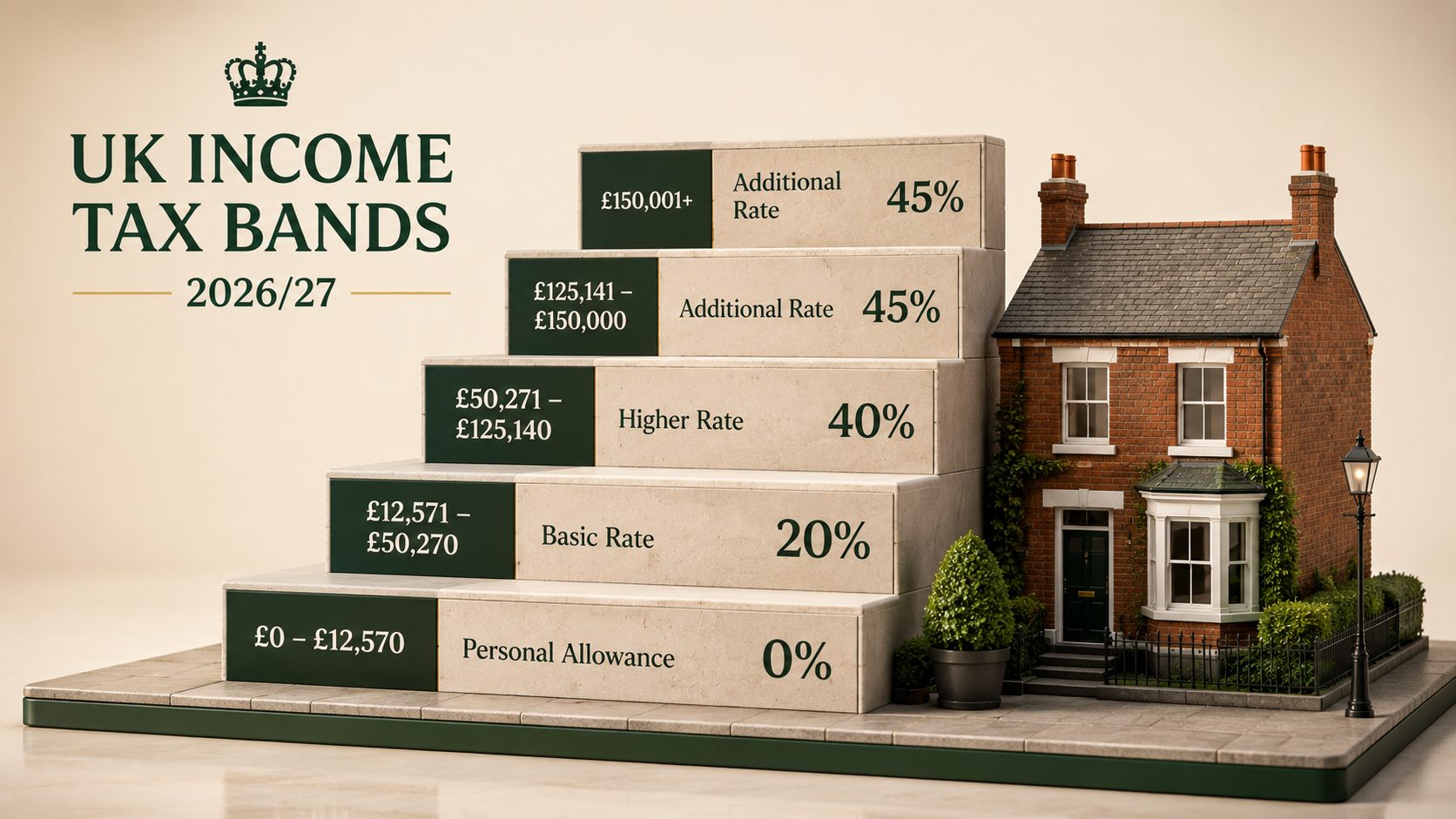
Ordinary savings outside an ISA follow a different tax calculation. Suppose Sam is a higher-rate taxpayer and his entire £500 Personal Savings Allowance is unused. On £1,200 of outside interest, £700 faces the 2027-28 savings higher rate of 42%, creating £294 of personal tax. If other interest has already used his allowance, the result is higher. The Personal Savings Allowance does not offset the manager's regulation 22A charge inside a non-cash ISA. A cash ISA's interest remains tax-free on its existing balance.
Moving money after the rule starts
SI regulation 13 restricts transfers from a stocks and shares or innovative finance ISA into a cash ISA if the saver is 64 or under at tax-year end. Cash-to-cash transfers remain available, and the 65-or-older age exception applies to that transfer restriction. No rule forces Sam to buy shares. He can leave an ISA allowance unused or hold cash elsewhere; each route has a different tax and risk treatment. Keeping a partial money-market fund allocation in a stocks and shares ISA is allowed, but SI regulation 9 bars a portfolio made up entirely of money-market funds.