$5,000 per year. That is the maximum anyone can put into a Trump Account for a child in 2026, and every dollar compounds tax-deferred in low-cost U.S. index funds until the child turns 18.
Here is how it actually works: Congress added Section 530A to the tax code through the One Big Beautiful Bill Act (OBBBA) in 2025. Parents, grandparents, employers, or anyone else can contribute to a child's account. The money sits in broad-market equity index funds (expense ratio capped at 0.10%) and nobody touches it until the child hits 18. At that point, the entire balance converts into a Traditional IRA in the child's name.
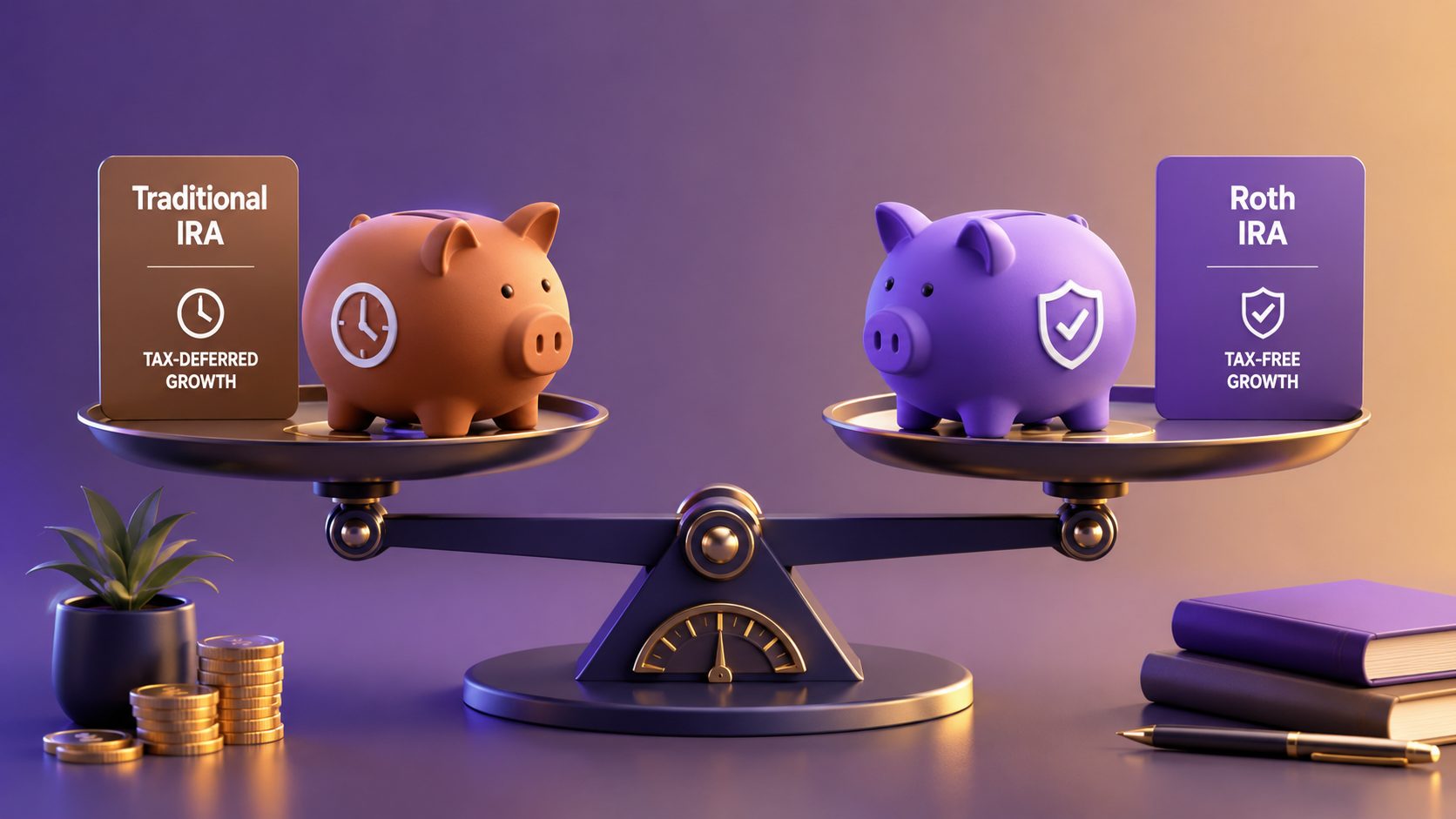
The catch that trips people up: this is NOT a Roth. When the child eventually withdraws in retirement, the government seed money, employer contributions, and all investment growth get taxed as ordinary income. Only the after-tax dollars that family members contributed come out tax-free.
Why this matters for your family
Let's say you open a Trump Account for a newborn in July 2026. You contribute $4,000/year, your employer kicks in $1,000/year (within the $5,000 cap), and you claim the one-time $1,000 federal seed. At a 7.5% average annual return, that account holds roughly $175,000 by age 18. Left alone until 65, it compounds to over $4.6 million, but only about $73,000 of that (your after-tax contributions) comes out tax-free.
The FAFSA trap is real too: because the child legally owns the account from day one, it counts as a student asset (assessed at 20% for financial aid), not a parent asset (5.64%). If college is the plan, coordinate with a 529.